
Enhanced Rock Weathering
for carbon removal
Restoring soils, supporting farmers, and removing CO₂ for the long term.
About us
Sinc accelerates the natural process of rock weathering to provide permanent, verifiable carbon sequestration at scale. We combine technical expertise with a boots-on-the-ground approach to build a more resilient future for both the climate and local agriculture.
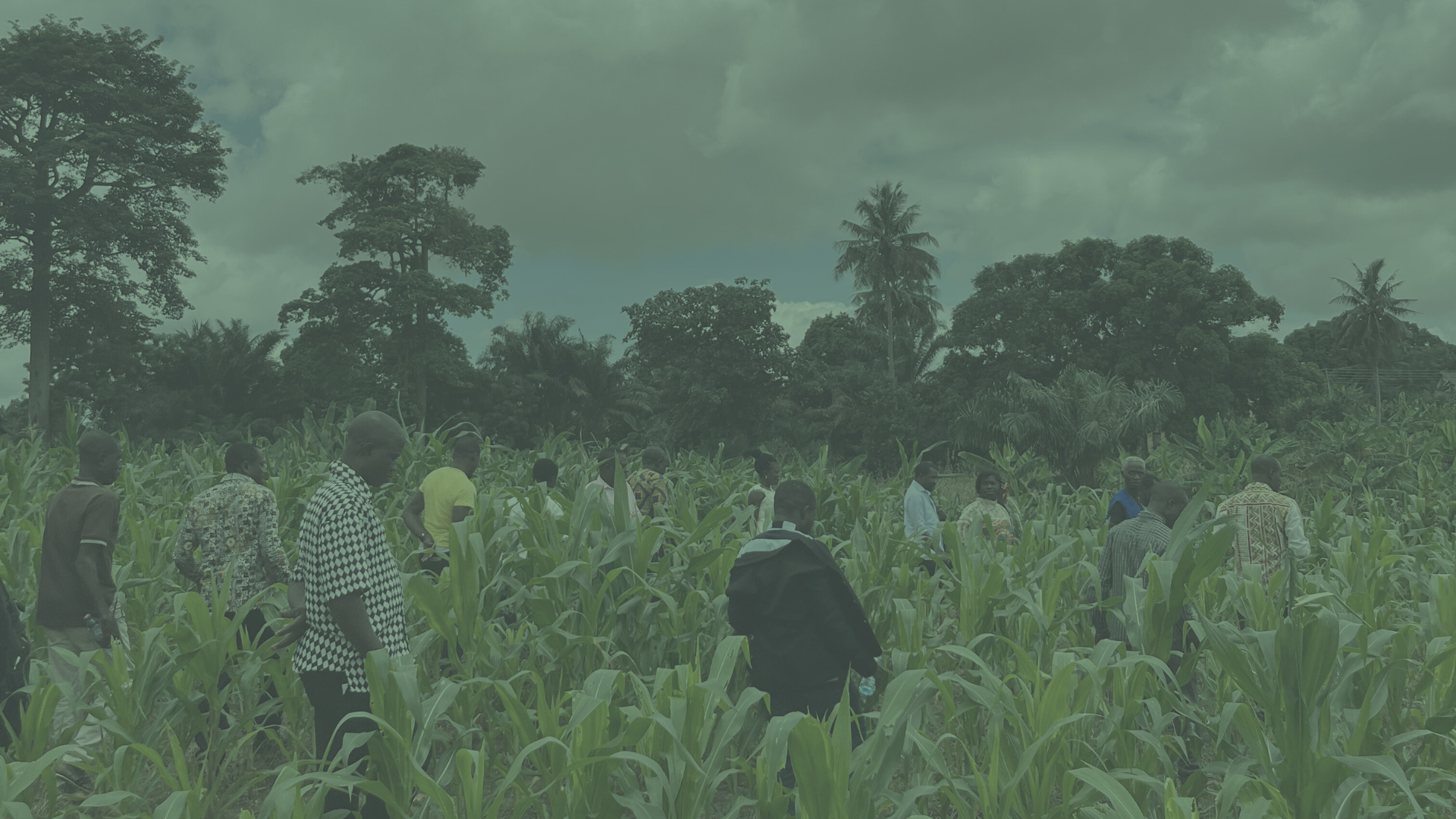
Using Enhanced Rock Weathering, we accelerate the Earth’s natural weathering process by applying crushed silicate rocks, such as basalt and greenstone, to agricultural land. When these minerals react with rainwater and atmospheric CO2, they trigger a chemical reaction that captures carbon and stores it permanently in the form of stable bicarbonates for over 10,000 years. Beyond carbon removal, this process releases essential nutrients into the ground, directly improving soil fertility and crop performance for local farming communities.
Technology
ONE SOLUTION THAT ADDRESSES CLIMATE CHANGE, SOIL DEGRADATION, AND FARM RESILIENCE SIMULTANEOUSLY
Intensive cropping has left agricultural soils increasingly depleted, creating a cycle of declining fertility that threatens both crop yields and local food security. As smallholder farmers face the rising costs of chemical fertilizers, there is an urgent and growing demand for accessible, regenerative solutions that can restore long-term soil health and provide a sustainable path toward increased productivity.
Local Context
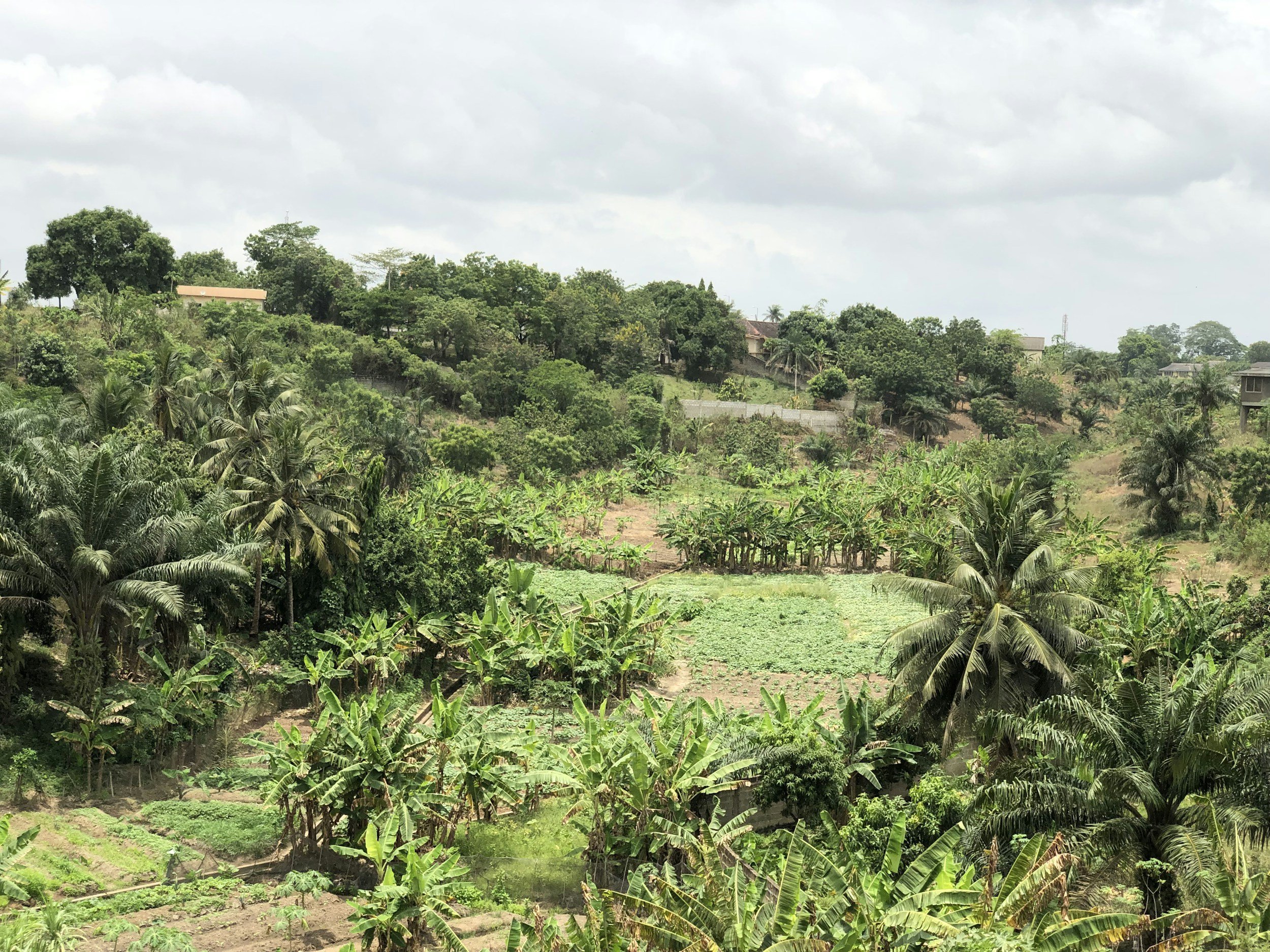
With over 15 million hectares of cultivated land and 60% of the population engaged in farming, Ghana offers a vast landscape for carbon removal integration
Land availability
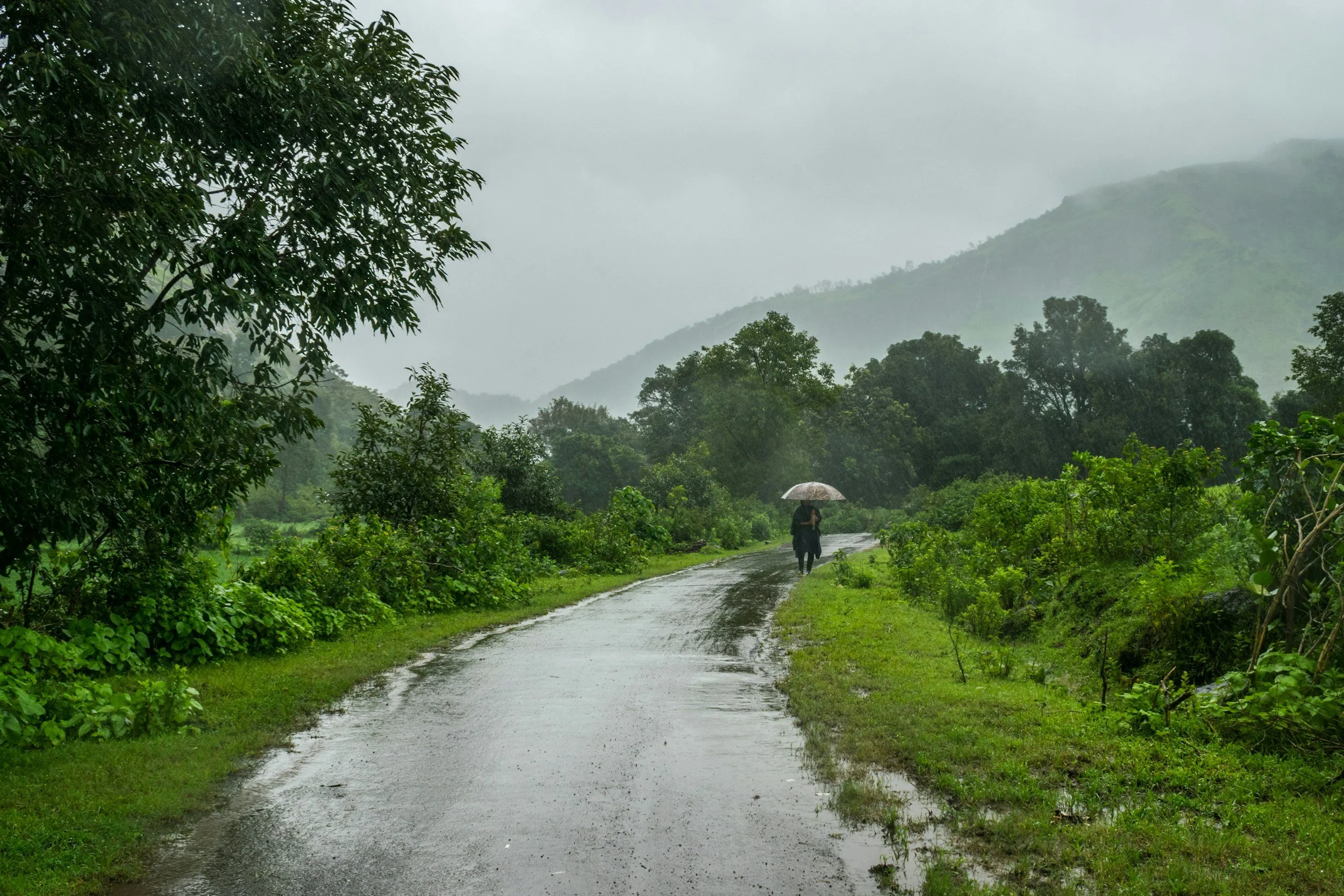
Ghana’s tropical climate acts as a natural catalyst for ERW. High annual rainfall and high temperatures accelerate the weathering process.
Tropical ClimatE
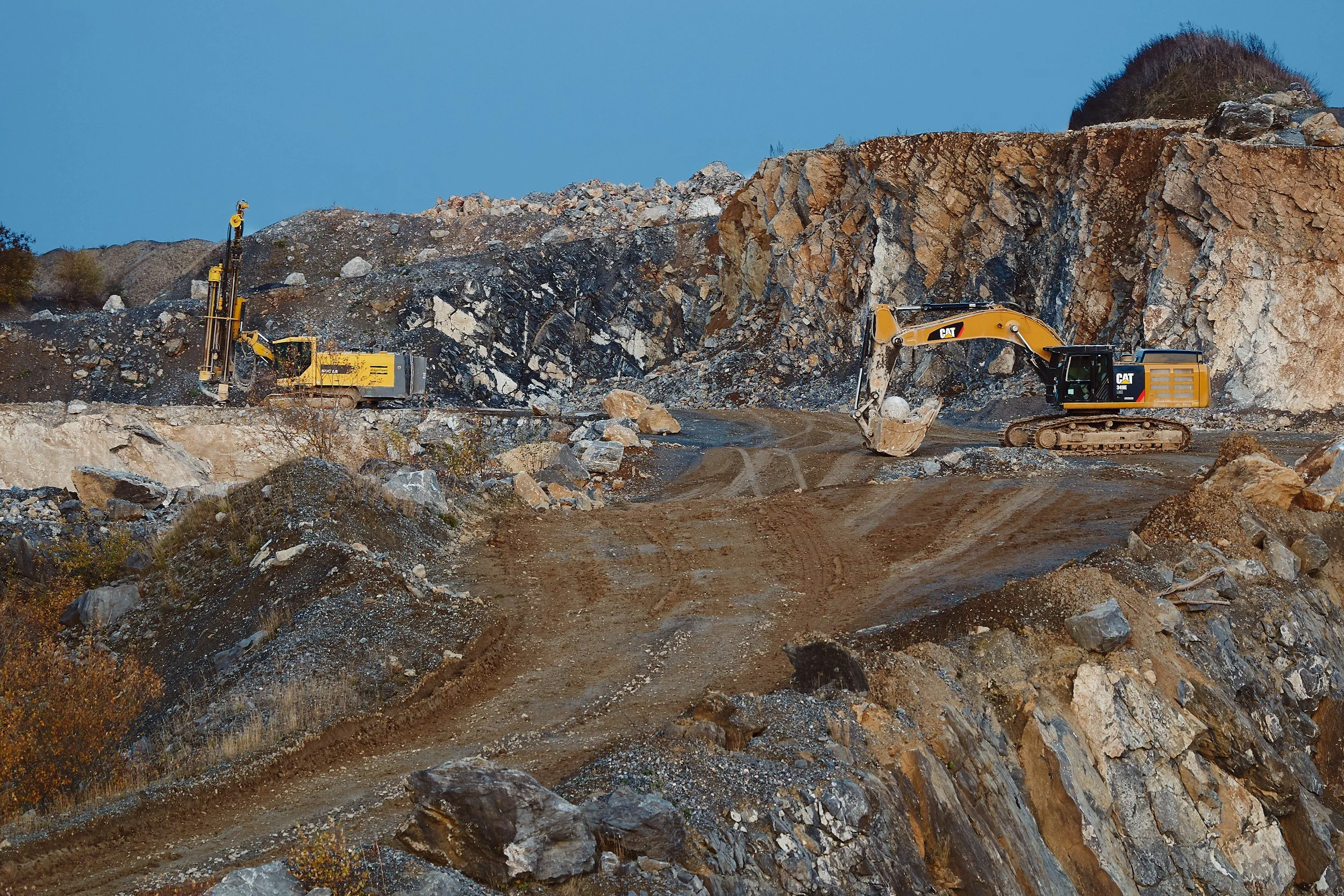
Ghana’s mining sector provides a strategic supply of silicate rocks. Using locally available minerals, we minimise transport-related emissions and ensure a circular supply chain.
Silicate Availability
Let’s scale our impact together!
Whether you are a potential partner in Ghana, a carbon buyer, or a scientist interested in our MRV protocols — we’d love to hear from you.